
Last November, I sat in my kitchen in Mesa, staring at a laptop screen that promised me a clean slate. A contractor had just sent over a quote for my guest bath that was so low it felt like a clerical error, and my bookkeeper brain immediately started looking for the catch. The screen said 'No Criminal Records Found,' but something about the way he wouldn’t look me in the eye when we discussed the permit felt off. The low hum of the refrigerator is the only sound in the house while I toggle between three browser tabs of conflicting search results, wondering if this man is actually a saint or if the database is just sleeping.
Being a bookkeeper means I deal in reconciliations. If the bank statement doesn’t match the ledger, someone is lying or someone is late. After my divorce in 2022, I started applying that same logic to the men I met on Hinge and the people I let into my house. I eventually started a Notion doc to track every search I ran, noting when a report showed a 2019 address in Tempe but the guy was currently sitting across from me in a 2024 truck with Gilbert plates. If the report is four years behind on a zip code, how can I trust it to be up to date on a restraining order?
The Myth of the Instant Update
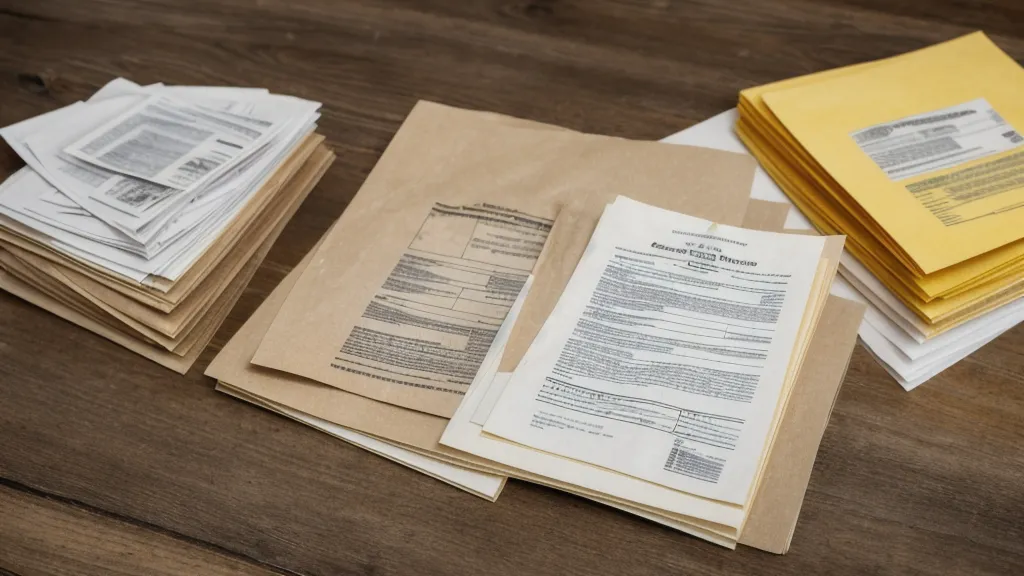
We’ve been conditioned to think that everything online happens in real-time. We see a 'like' on a photo instantly, so we assume a court record works the same way. But after running dozens of lookups, I’ve realized that a 'criminal record' is really just whatever a county clerk happened to type into their database in 2009, or 2015, or whenever they got around to it. These search services aren't peering into a crystal ball; they are buying bulk data from aggregators who might only refresh their 'index' every few months.

I learned this the hard way in early March when a cousin reconnected with me on Facebook. She’d moved three times in two years, including a jump across state lines that involved a house purchase. I ran her name through my usual tools, and not a single one showed her new address, despite it being a matter of public record at the county assessor's office for nearly six months. It made me realize that the 'trail of forwarding addresses' someone leaves when they skip town is often more like a series of breadcrumbs that have been sitting out in the sun for a season.
In my experience, you have to look at these reports like a reconcilement. I’ve written about my Notion spreadsheet of red flags before, and the biggest one is always the date of the last 'verified' event. If the most recent thing on a person’s report is a traffic ticket from 2021, you aren't looking at a 'clean' person; you’re looking at a three-year gap where anything could have happened.
Why the Data Goes Stale
There are legal and technical reasons why your search results feel like they are stuck in the past. For one, the Fair Credit Reporting Act, specifically Section 604, defines how these reports can be used. Since these are not official consumer reports for employment, the companies providing them don't always have the same 'real-time' pressure that a bank or a high-level security firm might have. They are essentially digital scrapbooks.
Then there are the specific delays that are built into the system. For instance, the SSDI Public Access Delay requires a 3-year wait before full Social Security Death Index records are added to certain public master files. If the government is intentionally dragging its feet on something as binary as whether someone is deceased, you can bet the local county courthouse isn't rushing to digitize a misdemeanor from last Tuesday. Even when you ask a company to clear your data, the CCPA deletion window gives them 45 days just to respond to the request. Everything in the world of data moves at the speed of a suburban DMV on a Friday afternoon.
The Anxiety Trap of the Background Check
By mid-July, I noticed a pattern in my Notion doc. The more I searched, the more anxious I became. It’s a phenomenon I call 'confirmation bias by subscription.' When you pay for these tools, you feel like you *should* find something. If a guy I’m dating seems a little too quiet or forgets to text back, I find myself scrolling through his address history looking for a reason to justify my gut feeling. Honestly, it turns neutral personality quirks into red flags before I’ve even finished my first glass of wine.
I’ve started to realize that running these checks on every Hinge match can actually make the dating process harder. You start looking for the 'stale' data as a sign of a hidden life rather than just a slow database. If a report shows he lived in three different apartments in 2022, I used to think 'unstable.' Now, I try to remember that might just be the system catching up on three years of old data all at once. It’s easy to let a spreadsheet replace a conversation, but that’s a dangerous game for a single mom who already has enough trust issues to fill a warehouse.
About two weeks ago, I was looking into another contractor. His report was a mess—names spelled three different ways, addresses in states he claimed he’d never visited. A year ago, I would have blocked his number. But looking at my notes, I saw the 'fuzzy matching' logic at work. He shared a name with a guy in Florida who clearly had a much more colorful legal history. This is why I always tell people that these reports are just a starting point. I eventually why I stopped relying on address history as my sole source of truth because the lag is just too unpredictable for making big life decisions.
How to Use Stale Data to Your Advantage
So, what do you do when you know the report is probably six months behind? You look for the 'anchors.' I look for the things that are hard to fake or slow to change: professional licenses, property ownership, and long-term relatives. If the 'current' address is wrong but the 'relatives' list matches the people he mentioned over dinner, then the report is at least hitting the right target, even if the timing is off.
I’ve learned to treat these searches like a preliminary tax return. It’s an estimate, not a final audit. I use my multi-service tracking method to see which site is currently winning the 'freshness' race, but I never take any single 'No Records Found' as a green light. In the end, a 'clean' report is only as good as the last update, and in a world where data brokers are juggling millions of files, that update might be a lot further away than the 'instant' button suggests. I still keep my Notion doc, and I still run the searches, but I do it with the jaded eyes of someone who knows that the most important information usually isn't found in a database—it’s found in the gaps between the records.