
A Facebook Marketplace listing and a first Hinge date hand you the exact same amount of real information before you show up: a photo, a first name, and a story that sounds fine until somebody checks it. I run the same background check on both, treating every Marketplace deal as a small fraud-prevention exercise, because a stranger asking to meet in a parking lot for cash doesn't stop being a stranger just because the deal is a couch instead of a second date.
Quick disclosure before this goes any further: some of the links here, including the ones to TruthFinder, are affiliate links, and I earn a commission if you sign up through them at no extra cost to you. I pay for TruthFinder, Spokeo, and PeopleFinders myself, out of my own card, the same as every service in my Notion tracking doc. None of these tools are FCRA-compliant, either, so you can't use them to screen a tenant or an employee. They're built for someone like me, who just wants to know if the guy selling a couch is actually who his profile says he is.
The couch that started this particular saga was a charcoal gray sectional, listed for two hundred bucks by a guy who looked like every other suburban dad in Mesa. My inner bookkeeper flagged the price before anything else did. Numbers that don't add up usually mean somebody's hiding something, whether it's a liability on a balance sheet or a scratch he didn't bother photographing.
Why a Marketplace Seller Gets the Same Background Check as a Hinge Date
Meeting a stranger from the internet for a couch is objectively weird, and we do it anyway for a decent deal on furniture or a lawnmower. After a contractor's remodel quote came in low enough to worry me, I started running the same searches on Marketplace sellers that I already ran before dates. Nobody wants to find out a seller is a professional no-show after the money's already gone.
Most people think glancing at a Facebook profile is enough. A "member since 2012" badge looks like proof of a real, established person, and it usually is. But scammers have caught onto that trust, and aged accounts get bought and repurposed more often than anyone wants to admit. Matching the name on a profile against the name that actually comes up on a phone number or address record catches more of that than eyeballing a join date ever will.
What a TruthFinder Report Actually Shows That a Google Search Doesn't
When a listing feels even slightly off, I go straight to TruthFinder. Between the three services I've tested, TruthFinder, Spokeo, and PeopleFinders, Spokeo is fine for a fast, cheap look at a phone number, but it tends to skip the records that actually matter once you're planning to meet someone face to face. TruthFinder digs deeper, mostly because it's pulling from more than social media.
Address history is the feature I lean on hardest. It's really just the trail of addresses somebody left behind: a forwarding address from a move, a skipped lease, a landlord they were staying ahead of. If a seller tells me he's lived in Mesa for a decade but the report shows him in three states over the last five years, that's enough for me to walk away. Frankly, most of these reports are just public records, county clerks, courts, licensing boards, pulled into one place instead of fifteen separate phone calls.
The deeper reports are where eviction filings and lien histories show up, the kind of records most "instant background check" sites skip because they're pulling data anyone could Google for free. TruthFinder takes a few minutes longer for exactly that reason. It's actually querying the county and court systems where somebody's lived, not just the county where the item happens to be listed.
The License Number That Came Back Empty
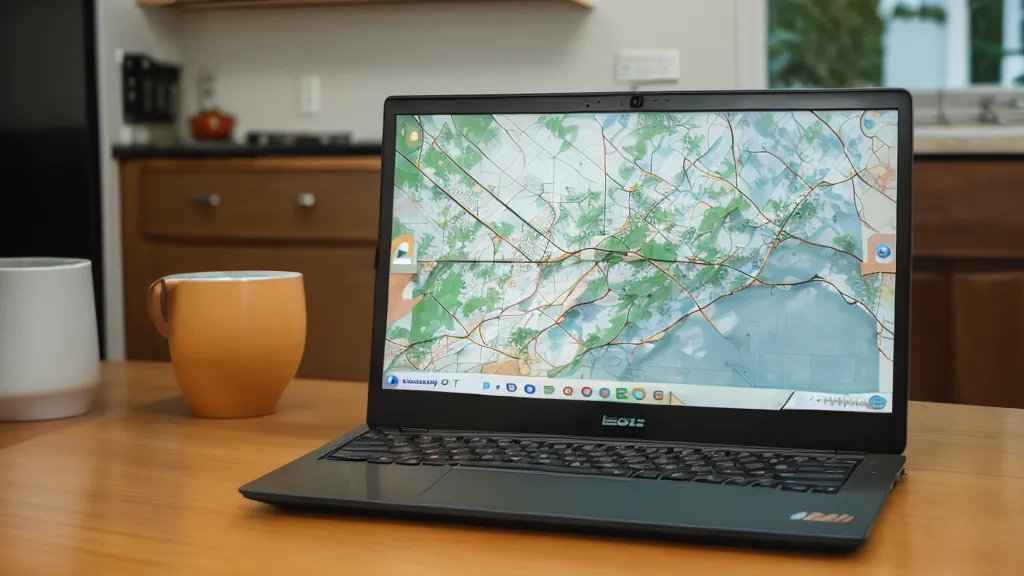
My actual office is the kitchen table. No separate room, just a laptop, a second monitor propped on the counter so I can run two screens at once, and a yellow legal pad next to the keyboard for jotting down whatever doesn't match before it gets typed into Notion later that night. The sliding door to the backyard sits right in my sightline while I work, fence and all, which is about as much of a view as freelance bookkeeping gets you.
A seller offering a barely used tile saw mentioned, almost in passing, that he did remodel work on the side. That's exactly the kind of detail that makes me sit up. Googling his name got me nowhere useful: three different men named Michael Torres turned up in Phoenix, none obviously him, no way to tell which one, if any, was actually the one messaging me.
So I pulled the listing again and ran him through TruthFinder to see the full report instead of just my own Google results. He'd mentioned a contractor license number in a comment thread when someone asked about his rates, which gave me somewhere better to check than a common name. I typed it straight into the state's contractor licensing lookup, and the search came back with nothing attached to it at all. No name, no status, no expiration date, just an empty results table staring back at me.
My neighbor Tonya, who has never once let me talk myself out of an obvious red flag, looked at the printout over the fence and said the guy sounded like a liability wearing a tool belt. She wasn't wrong. The Notion doc had crossed eight weeks of entries by then, and a pattern had started showing up in it: sellers who tacked on an extra credential, contractor, ex-Marine, whatever sounded trustworthy, were disproportionately the ones with something underneath that didn't check out.
I ran a yellow highlighter across his printed address list until half the page was marked. Four cities, two states, nothing in the one his listing claimed. If you want the longer version of how TruthFinder, Spokeo, and PeopleFinders stack up against each other on the same kind of lookup, I laid it out in my TruthFinder vs Spokeo vs PeopleFinders comparison, including where the cheaper options are honestly good enough.

How Do You Actually Verify Someone Before You Meet Them?
You don't need a private investigator's toolkit for this, just a name and about twenty minutes. Start with more than a first name if you can get it. Most legitimate sellers will give you a cross street or a neighborhood without blinking, and hesitation there tells you something on its own. From there, check whether the address history matches what they claim. Does the report show someone who's actually lived in the area as long as they say, or does the Facebook Marketplace profile tell a different story than the public record does?
After that I'm looking for the records that actually matter, not a speeding ticket from a decade ago. Court records and civil judgments are the real tell. Multiple suits for theft by deception, an eviction filed three counties over, that kind of thing is a pass for me every time. If he gives you a phone number to coordinate pickup, run a reverse lookup on it before you agree on a time. A name that doesn't match the one on the profile is worth more than any five-star rating.
For the meetup itself, safety matters more than convenience, so I stick to somewhere public and busy no matter how clean the report came back. The lot at Mesa Arts Center works well: cameras everywhere, people coming and going, nothing that requires walking into a stranger's garage.
Where TruthFinder Falls Short, and Where Spokeo Actually Wins
No service gets this perfect, and data staleness is the thing that trips people up most. A record that was true eighteen months ago isn't necessarily true now. TruthFinder is surprisingly accurate on that specific weak spot compared to the others, though nothing updates the same day a courthouse files something. Spokeo's free preview is genuinely useful for a first pass, enough to tell you if paying for the full report is even worth it, but its own address history tends to lag noticeably behind what TruthFinder catches for the identical name.
A friend from a Hinge match that never went anywhere romantic still texts me for a rundown before she'll agree to meet anyone new, and it's honestly the same rundown I'd give anyone about a Marketplace seller. The report is a starting point, not a verdict. It only works if you actually read past the headline instead of trusting a clean-looking summary.
None of this makes buying a couch off Marketplace detective work, and it shouldn't feel like it. It's closer to calling around for a second plumbing quote before you commit to one. The lesson that's actually stuck with me is simple: a friendly profile photo tells you nothing, a clean-sounding listing tells you nothing, and the only thing worth trusting is whatever the public record actually says once somebody bothers to look. My kids' babysitter got the same treatment before she ever watched them, and the sectional I'm sitting on now came from a normal guy in Gilbert, not a burner account. If you'd rather know than guess before your next Marketplace meetup, TruthFinder is where I'd start.